
How to Grow: Ageratum
Ageratum is the most underrated cut flower.
It’s the flower that quietly sits in a bouquet and somehow makes the entire arrangement feel more premium and interesting… but nobody actually says, “Oh, it’s the ageratum that took this bouquet to the next level.”
But it is.
It’s super easy to grow, reseeds itself prolifically, and has such a unique texture that you really can’t replace it with anything else. The fluffy blooms almost look velvety and cloud-like tucked between focal flowers and airy blooms.
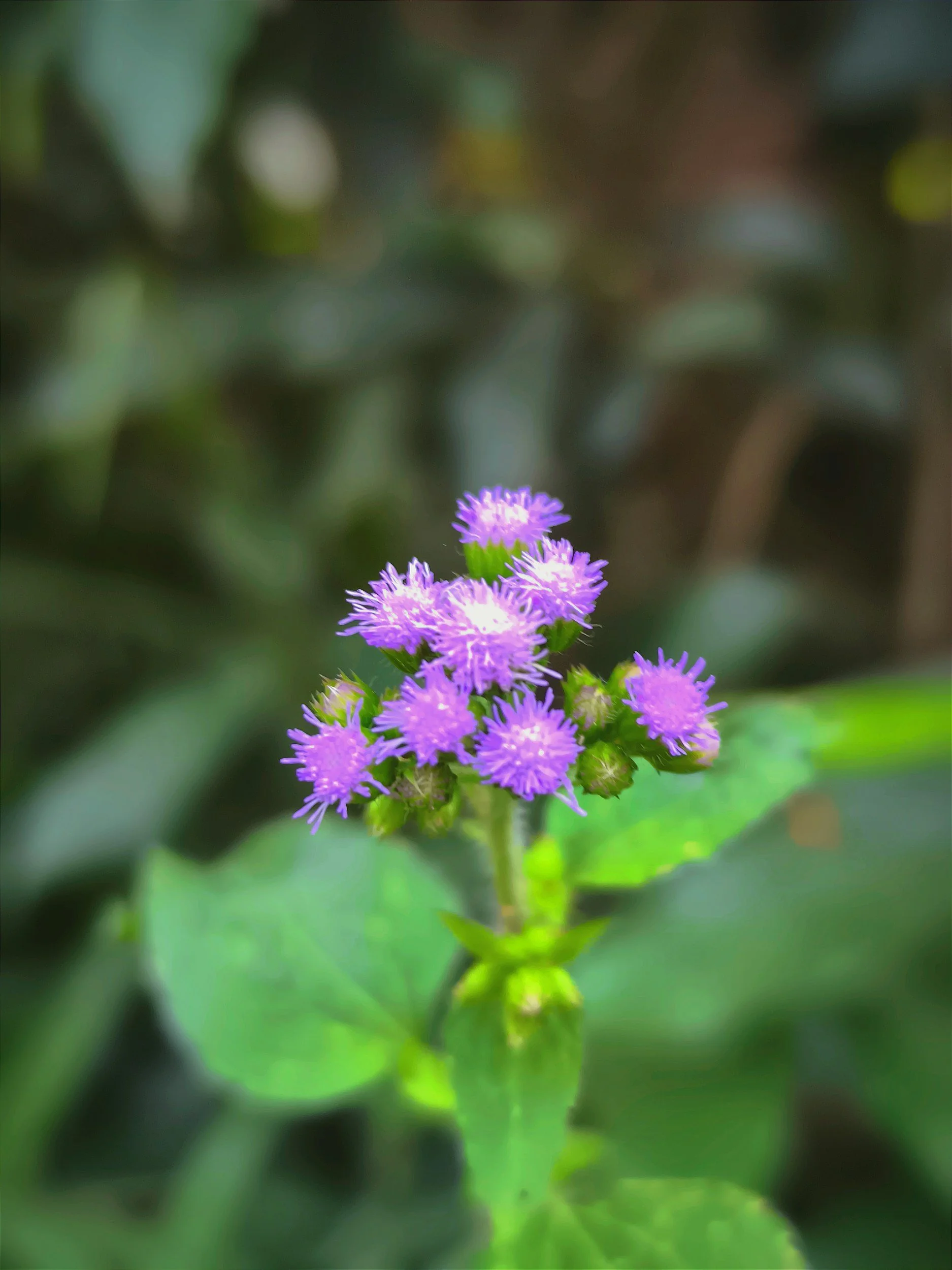
How to Grow Ageratum
Ageratum is one of those hardworking flowers that just keeps blooming all summer long.
It grows best in full sun but can tolerate a little afternoon shade, especially in hot climates.
Planting
Plant after danger of frost has passed.
Ageratum likes well-drained soil and regular watering while getting established.
Space plants about 9 to 12 inches apart.
Most varieties grow between 18 and 30 inches tall, depending on the type.
Ageratum seeds need light to germinate, so barely cover them or simply press them into the soil surface.
Pinching Ageratum
I highly recommend pinching ageratum.
Pinching simply means snipping out the center growing stem when the plant is young, usually once it is about 6 to 8 inches tall.
This encourages the plant to branch out instead of producing one main stem.
More branches means:
More flowers
Longer stems
Fuller plants
Better bouquet production
And honestly, pinched plants look so much prettier in the garden too.
Once it starts blooming, it just keeps going.
And if you let even a few flowers go to seed, there’s a very good chance you’ll have volunteer ageratum popping up next year too.
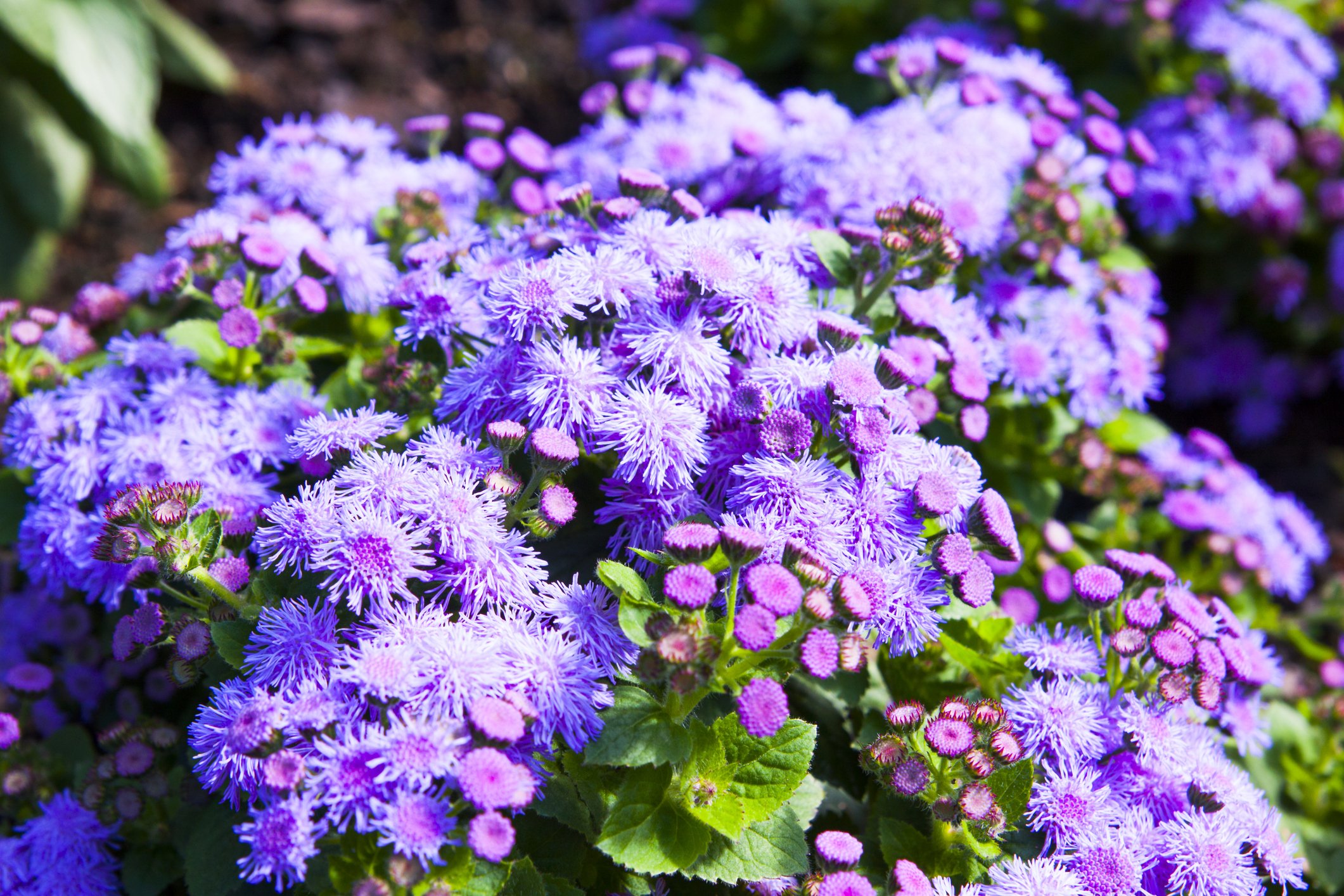
Colors of Ageratum
Most people think of ageratum as blue, but it actually comes in several beautiful shades:
Lavender blue
Soft purple
Periwinkle
White
Pink
Mauve
The soft fuzzy blooms mix beautifully with zinnias, dahlias, cosmos, strawflower, celosia, and just about anything else in a summer bouquet.
It’s one of the best “blending” flowers there is.
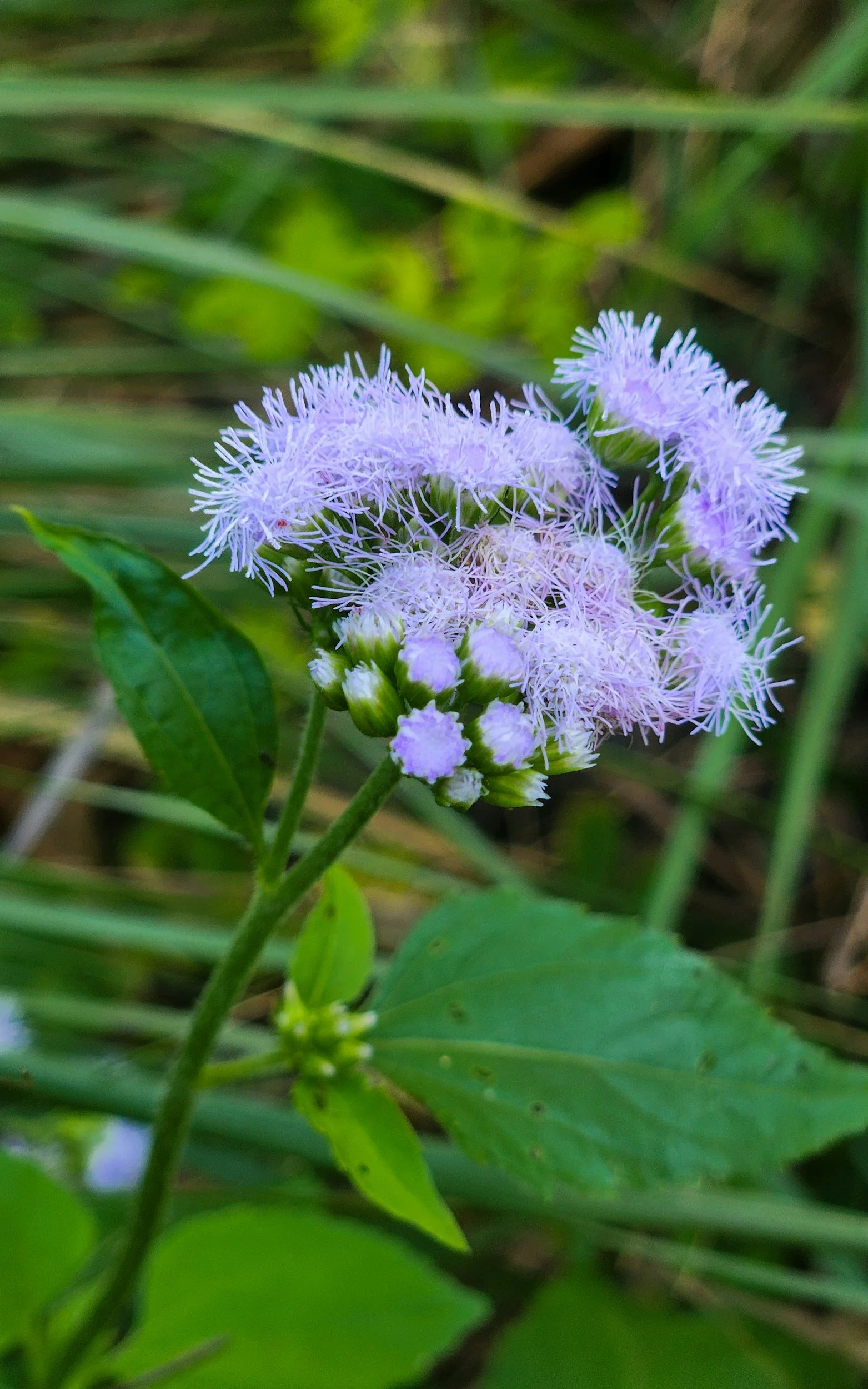
When to Harvest Ageratum
Harvest ageratum once the blooms are fully open and fluffy.
Unlike some flowers that need to be harvested early, ageratum should be fully colored and open before cutting.
The stems get stronger as the flower matures, which helps them hold up beautifully in bouquets.
Ageratum is also a fantastic cut-and-come-again flower. The more you harvest, the more blooms the plant produces.
Conditioning Ageratum
Ageratum does need a little conditioning after harvest or it tends to wilt.
Conditioning simply means letting the flowers rest and fully hydrate after cutting before arranging them.
After harvesting:
Strip the lower leaves off the stems
Place them immediately into clean water
Let them sit in a cool shaded spot or cooler for several hours before arranging
You’ll often notice they look a little tired right after cutting, but once they drink water they perk back up beautifully.
That conditioning step makes a huge difference in vase life and stem strength.
Drying Ageratum
Ageratum dries surprisingly well and keeps much of its soft color and texture.
To dry:
Strip the lower leaves
Gather stems into small bundles
Hang upside down in a dry spot with good airflow
The blooms shrink slightly as they dry, but they keep that soft fuzzy texture that makes them so charming.
They’re beautiful in:
Everlasting bouquets
Dried wreaths
Fall arrangements
Mixed dried flower bunches
Crafts and seasonal decorating
Fresh or dried, ageratum brings this soft dreamy texture that makes bouquets feel finished and intentional.
It may not be the flower people immediately notice… but it’s often the flower making everything else look better.
