
Winter Sowing for Cut Flower Gardeners
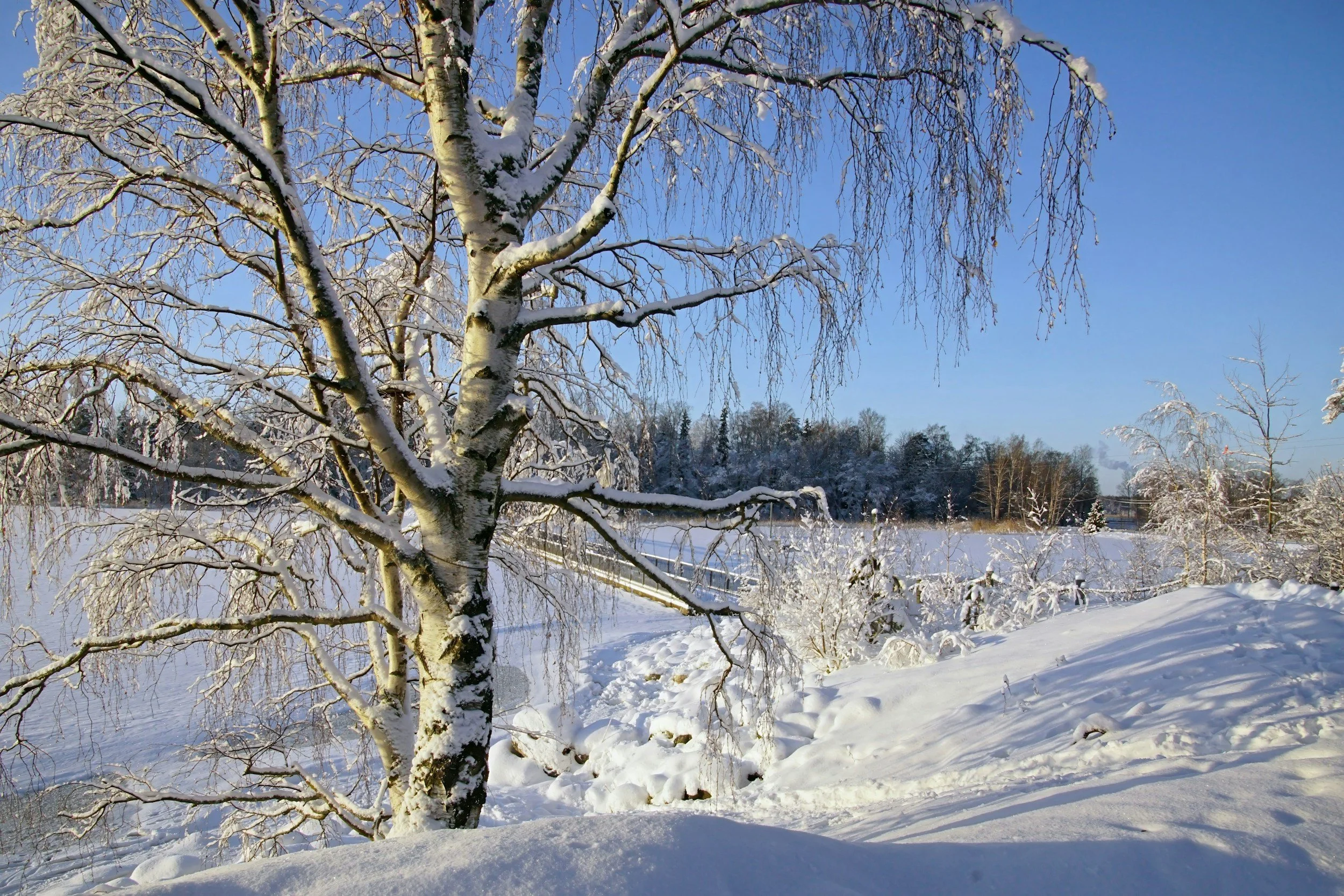
Winter Sowing
For years, poppies made me feel like a terrible gardener.
Every spring I tried.
Every spring I followed the directions.
Every spring I waited.
And nothing came up.
I direct sowed them into the garden like everyone said to. I babied the soil. I marked the rows. I checked every day. Still nothing. No seedlings. No flowers. Just bare dirt and disappointment.
Then I tried winter sowing.
That was the first year I ever grew poppies successfully. And now it is the only way I plant them.
If you grow cut flowers and there are certain varieties that refuse to cooperate, winter sowing might be the missing piece.
What Winter Sowing Is (and What It Is Not)
Winter sowing is a way to start seeds outdoors in the winter without grow lights, heat mats, or a greenhouse.
You plant seeds in simple plastic containers, put them outside, and let the weather do what it is designed to do.
This is not seed starting next to your coffee maker.
This is not daily misting and hovering.
This is controlled chaos, in the best way.
You can begin winter sowing around the winter solstice and continue through late winter, depending on your climate.
Why This Works for Cut Flower Gardeners
Many of the flowers we love for cutting are cold hardy. They want cool soil. They want fluctuating temperatures. They want spring light without summer heat.
Here in Michigan, I cannot reliably plant some of these flowers in the fall because it gets too cold. But if I wait until spring, there often is not enough time for them to grow and bloom before heat shuts them down.
Winter sowing solves that problem.
By the time the ground is workable, I already have strong seedlings that are ready to go. That head start is everything if you want flowers before summer stress hits.
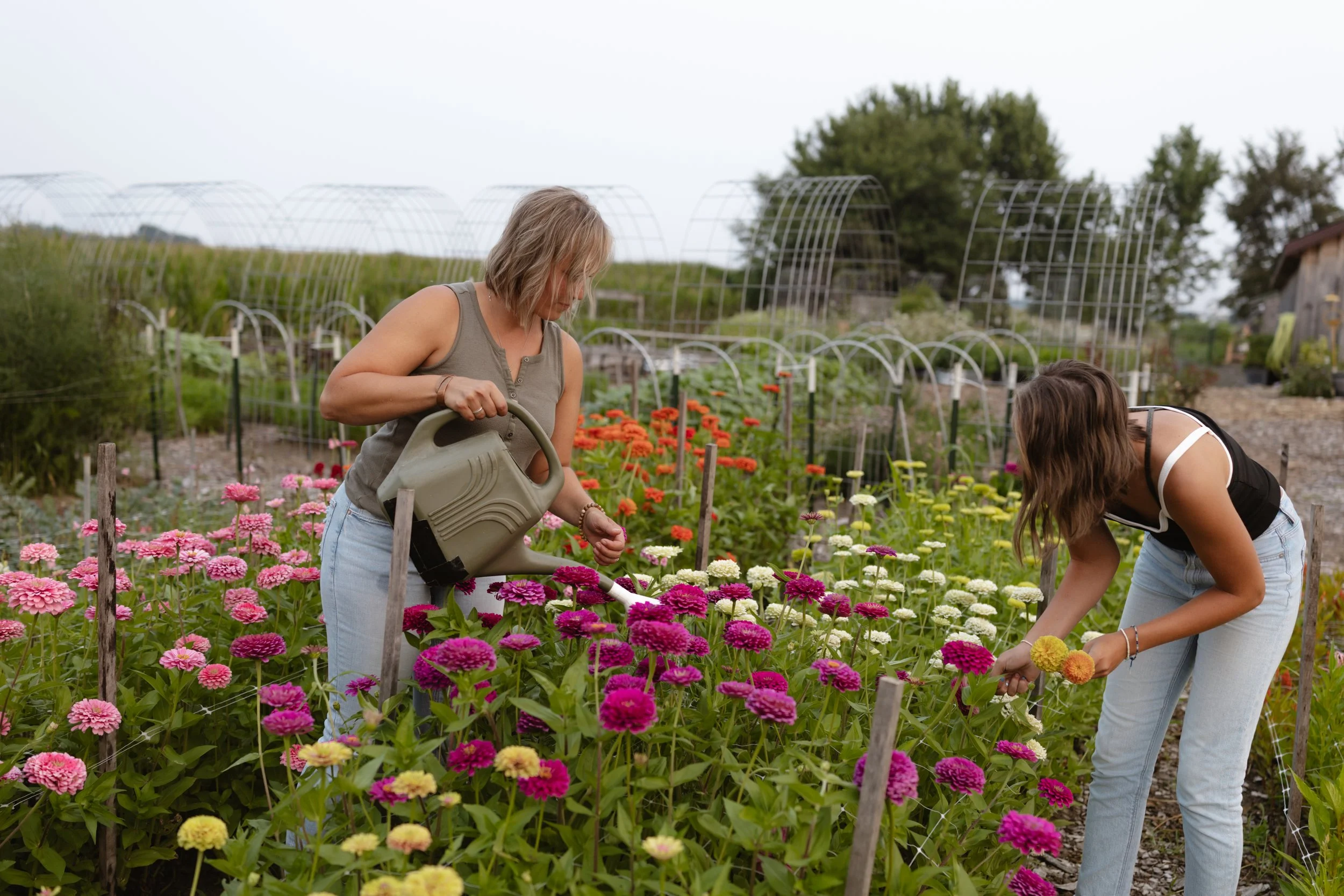
The Most Important Thing to Understand
This is the question I get every year.
Michelle, why are my seeds not germinating yet?
Because winter sowing lets the seed decide when it is ready.
The whole point is the freeze and thaw cycle. That cycle breaks down the seed coating and signals the seed when conditions are right.
Nothing is wrong if nothing is happening yet.
Most winter sown seeds germinate right around the time spring bulbs start coming up. Tulips, daffodils, crocus. When you see those, look closely at your jugs.
Trust the process.
What Seeds Are Good Candidates
Not all flowers work for winter sowing.
Skip heat lovers like sunflowers, zinnias, and celosia. Those are better started later.
Look for seeds labeled:
Hardy
Direct sow as soon as soil can be worked
Withstands frost
Chill seeds before sowing
If a plant reseeds itself in your garden year after year, that is another strong clue.
Some cut flower favorites that do well with winter sowing:
Poppies
Orlaya
Bachelor buttons
Nigella
Yarrow
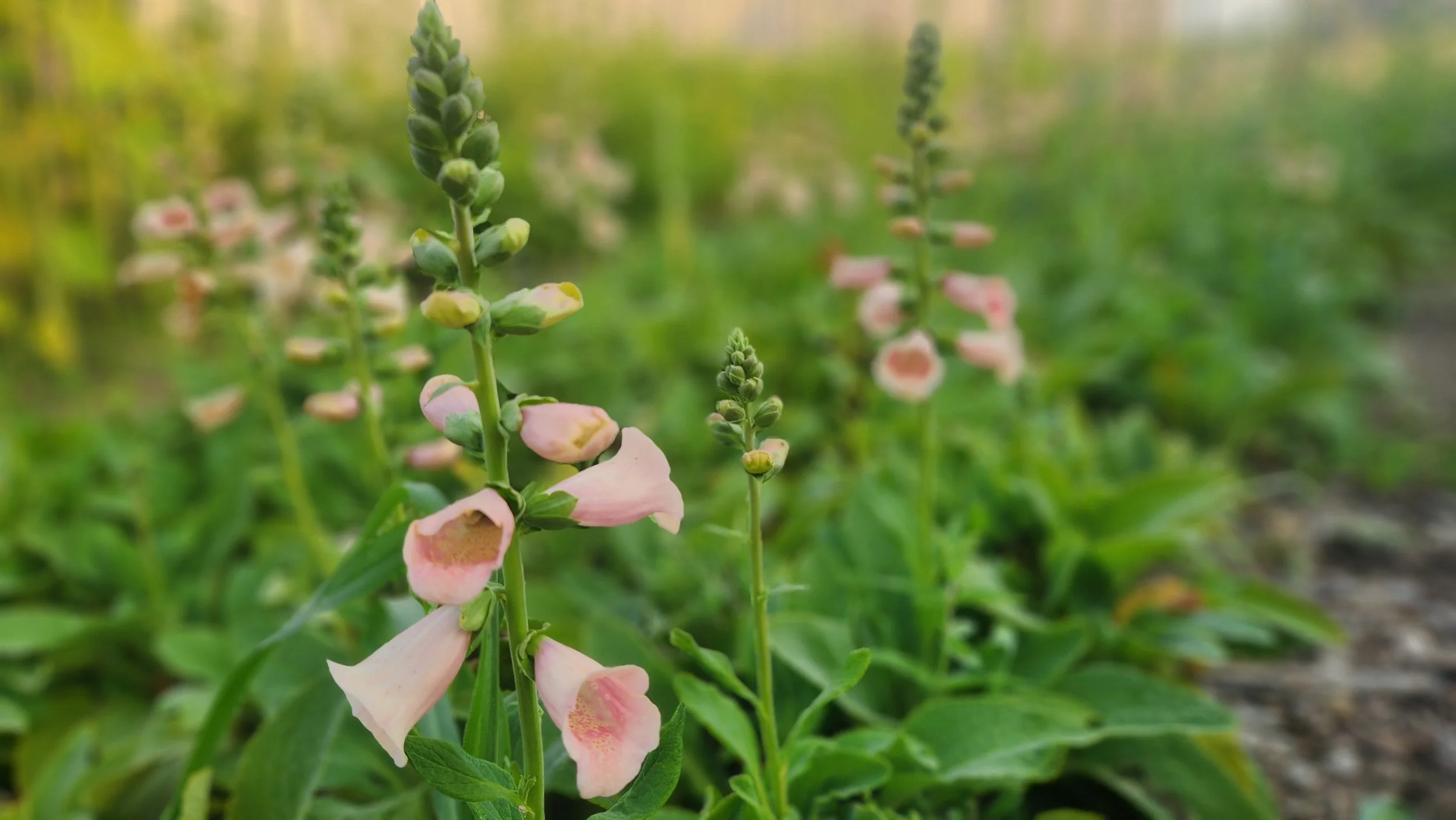
Foxglove
Slow herbs like thyme and rosemary
This list is not exhaustive, but it is a solid place to start.
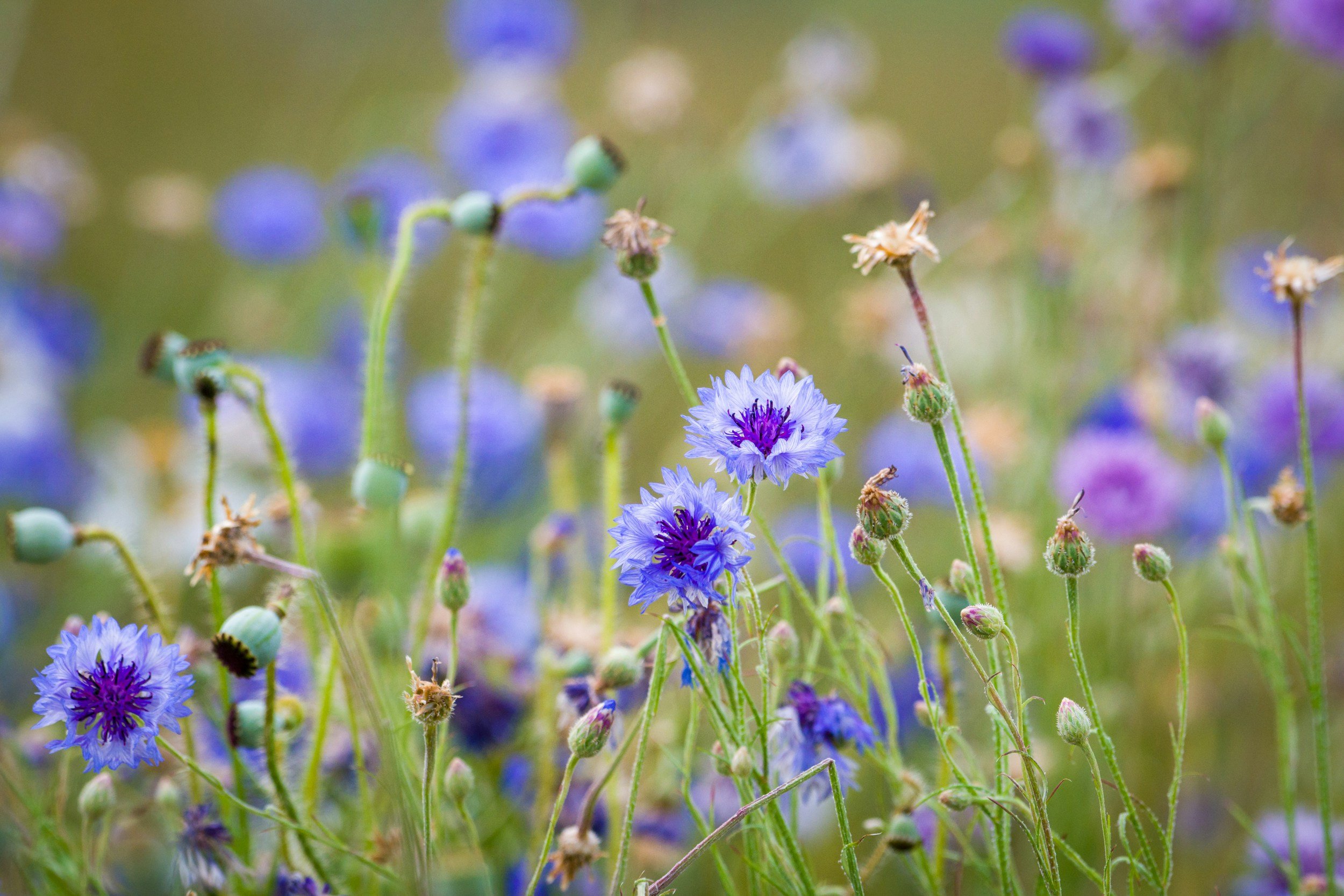
Bachelor Buttons
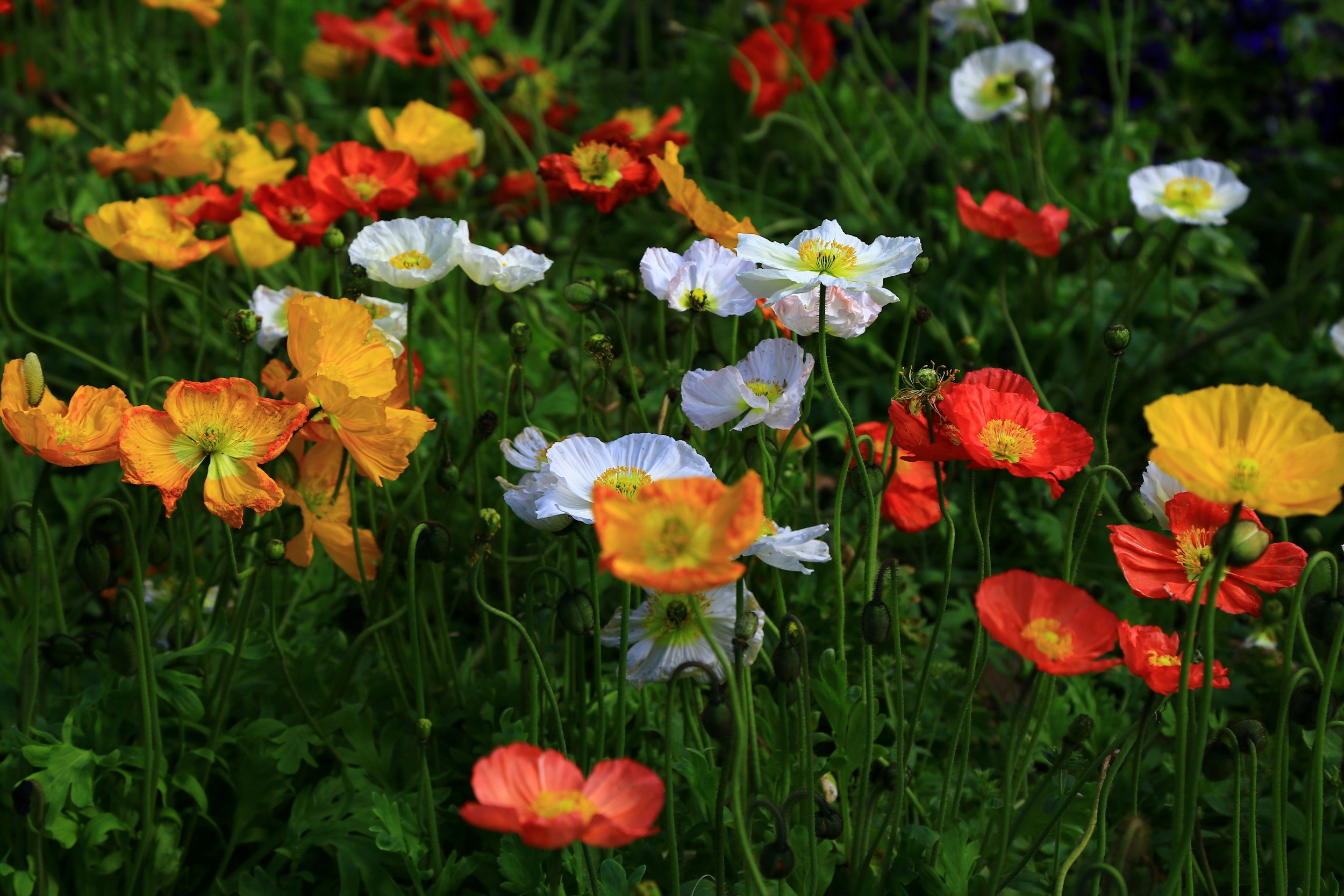
Poppies are so magical
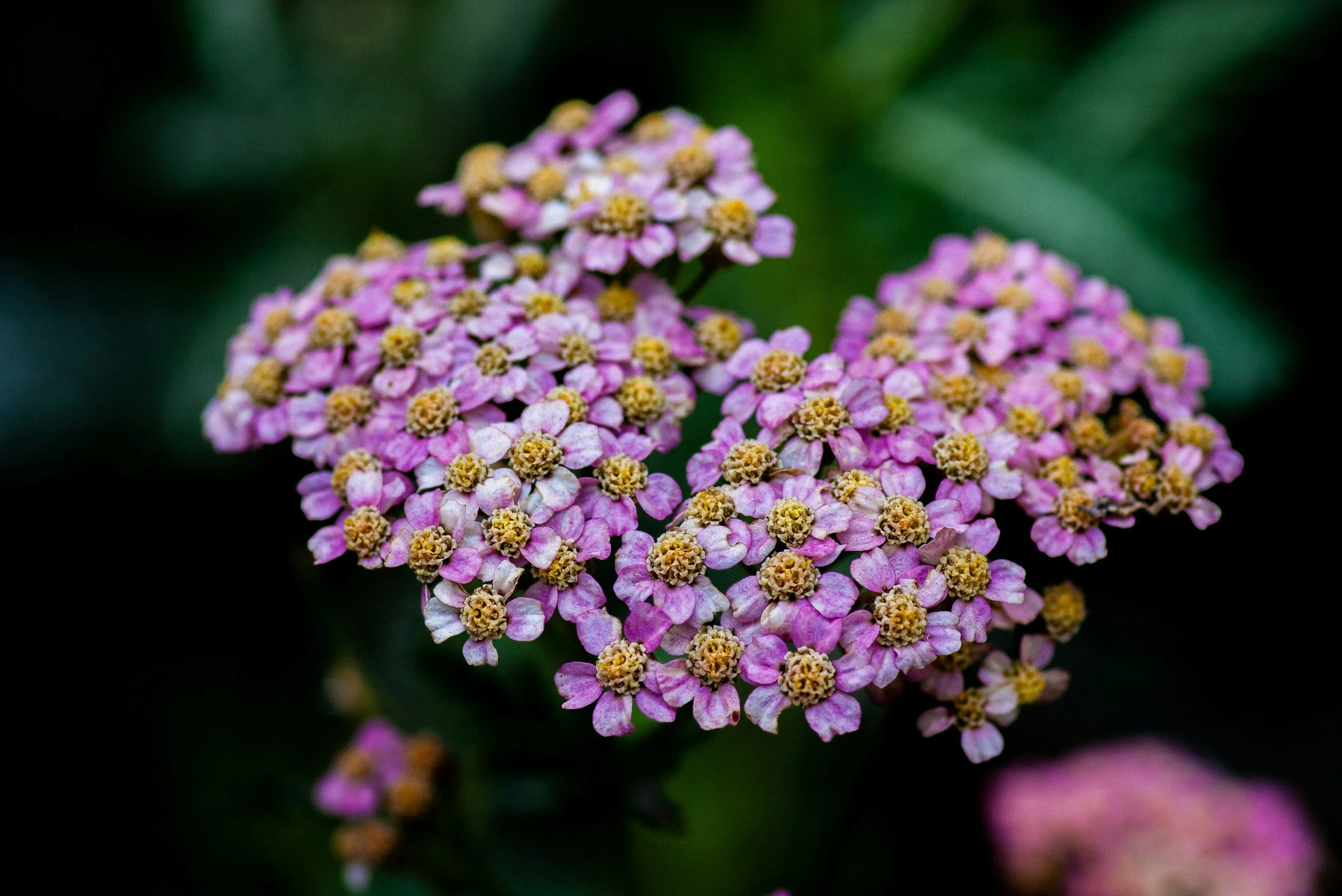
Yarrow, underrated but so beautiful
Think Mini Greenhouse, Not Container
Your winter sowing containers act like tiny greenhouses.
They protect the seeds while still allowing cold, moisture, and light inside.
A few things matter a lot here.
Drainage holes in the bottom. Always.
Ventilation at the top so heat can escape.
Enough soil so roots do not dry out.
Overheating is the number one way winter sown seedlings die. On a sunny day, these containers heat up fast.
What You Need
Keep it simple.
Milk jugs, vinegar jugs, soda bottles, or salad clamshells
Potting soil or seed starting mix
Scissors or a utility knife
Nail or screwdriver for drainage holes
Duct tape
Sharpie or garden marker
Labels that go inside the container
How to Winter Sow Using Milk Jugs
Cut the jug almost in half, leaving the handle intact so it opens like a hinge.
Poke several drainage holes in the bottom.
Add two to four inches of moist potting soil.
Sprinkle seeds on top.
Small seeds get pressed gently into the soil.
Larger seeds get lightly covered.Place a label inside the jug.
Close the jug and tape it shut.
Remove the cap so heat and moisture can move freely.
For clamshell containers, poke holes in the bottom and cut vents in the lid.
Put Them Outside and Let Them Be
Place containers outside in a sunny area where they will not blow over.
Avoid putting them right next to the house or under roof lines where water can flood them.
Check occasionally. If the soil is completely dry and there has been no rain or snow, add a little water or pile snow on top.
Otherwise, leave them alone.
Waiting is the hardest part.
When Spring Starts Moving
Once temperatures rise, those jugs will suddenly fill with green.
At this stage:
Watch for overheating
Add more ventilation if needed
Open jugs on warm days
When seedlings have two or three sets of true leaves and the soil is workable, they are ready to plant.
No hardening off required. They have been outside their entire lives.
If seedlings are crowded, gently separate them or cut them into small clumps and plant the whole clump together. This works especially well with tiny seeded flowers like poppies.
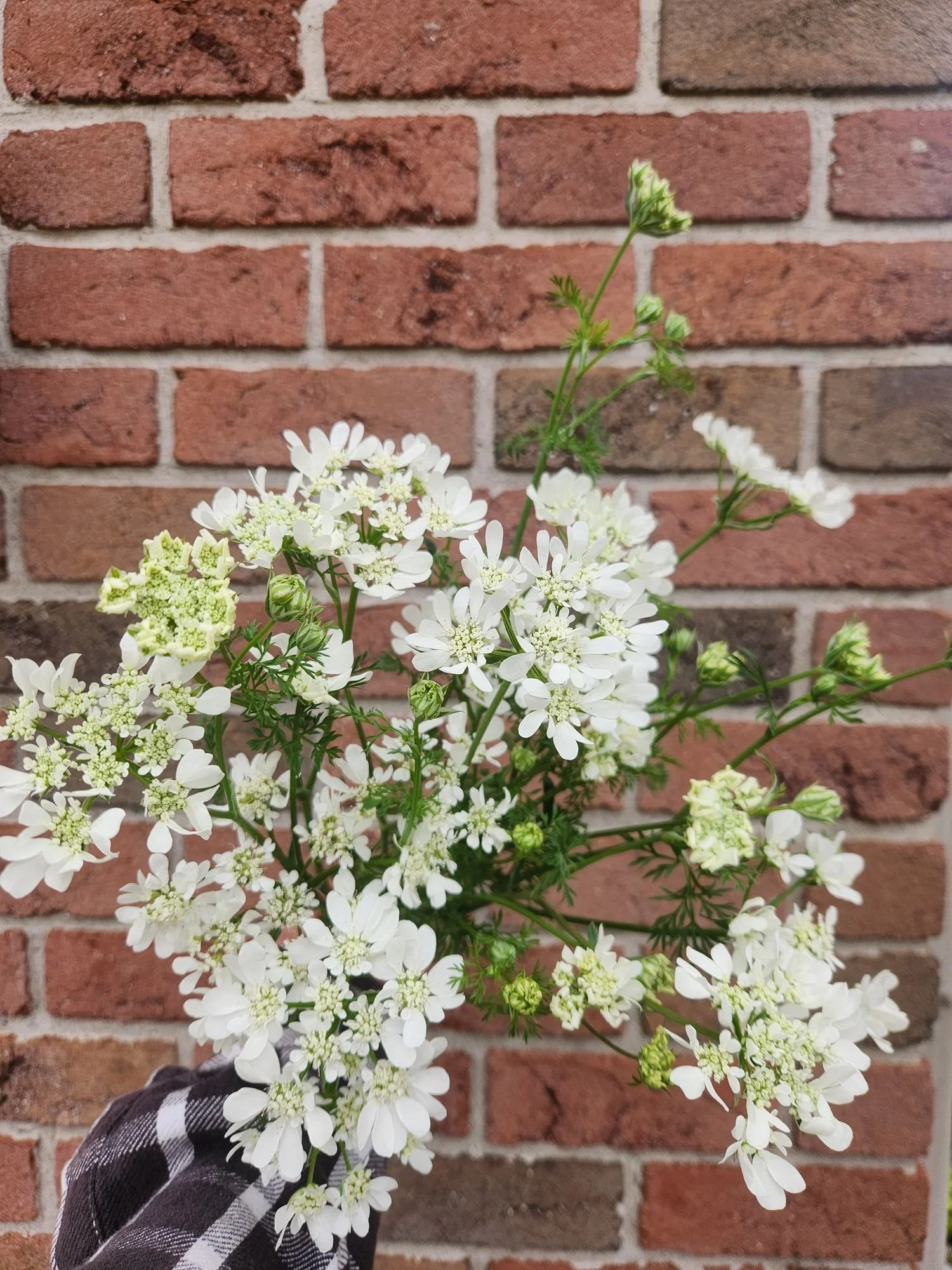
Orlaya is an amazing early spring lacey flower.
Why I Keep Coming Back to This Method
Winter sowing is simple.
It is forgiving.
It works with nature instead of against it.
And for flowers like poppies, it was the difference between failure every year and success every year.
If a flower has humbled you before, try winter sowing. You might be surprised how much it wants to grow once you stop fighting it.