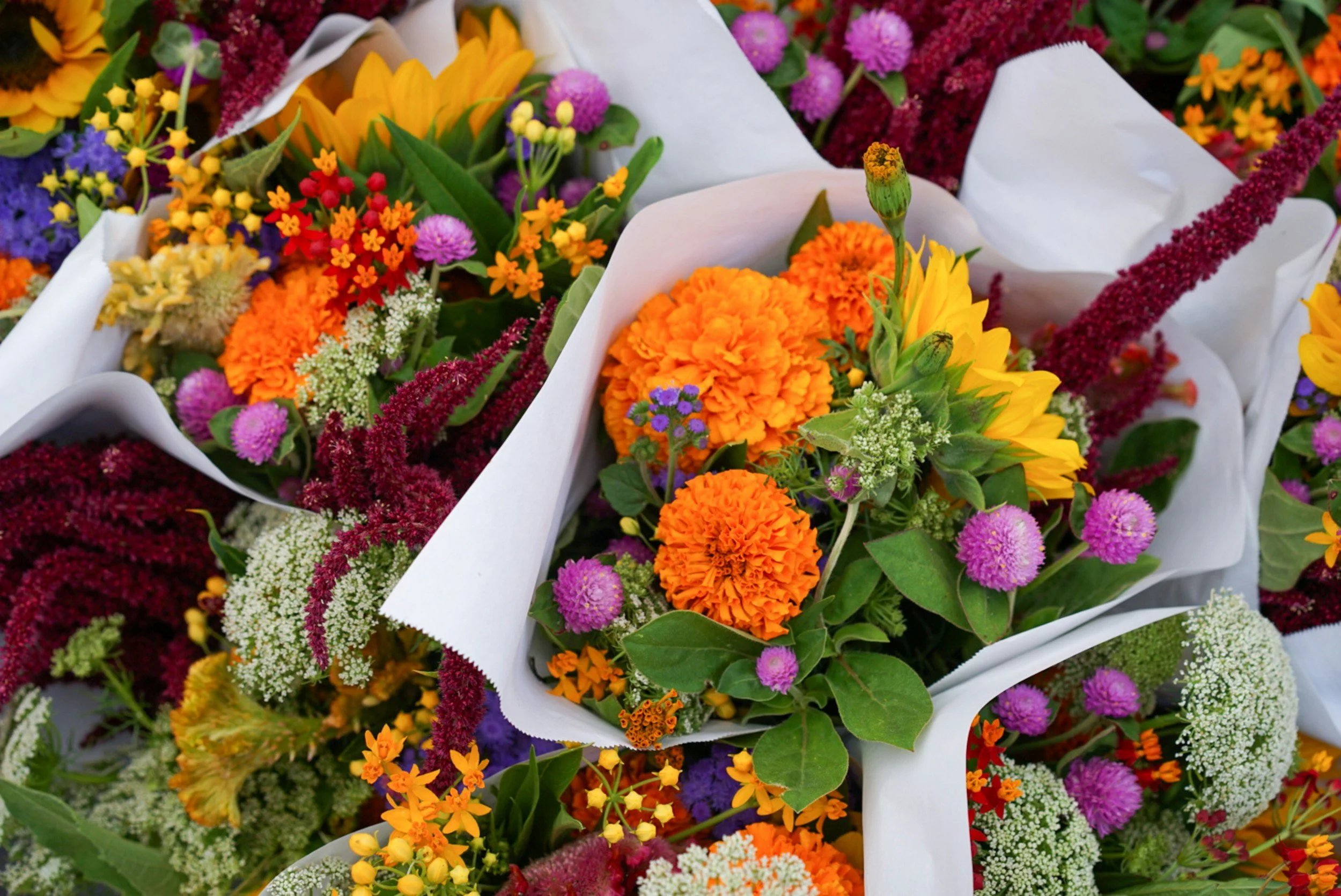
How to Grow: Marigolds
How to Grow Marigolds
Marigolds might just be the most misunderstood flower in the garden.
Most people think of those little orange bedding plants their grandma tucked around the vegetable garden. But today's marigolds are so much more than that.
They make fantastic cut flowers; the plants grow into absolute monsters, and they bloom their hearts out all summer long. If you're looking for a flower that gives you buckets of blooms with very little effort, marigolds deserve a spot in your cutting garden.
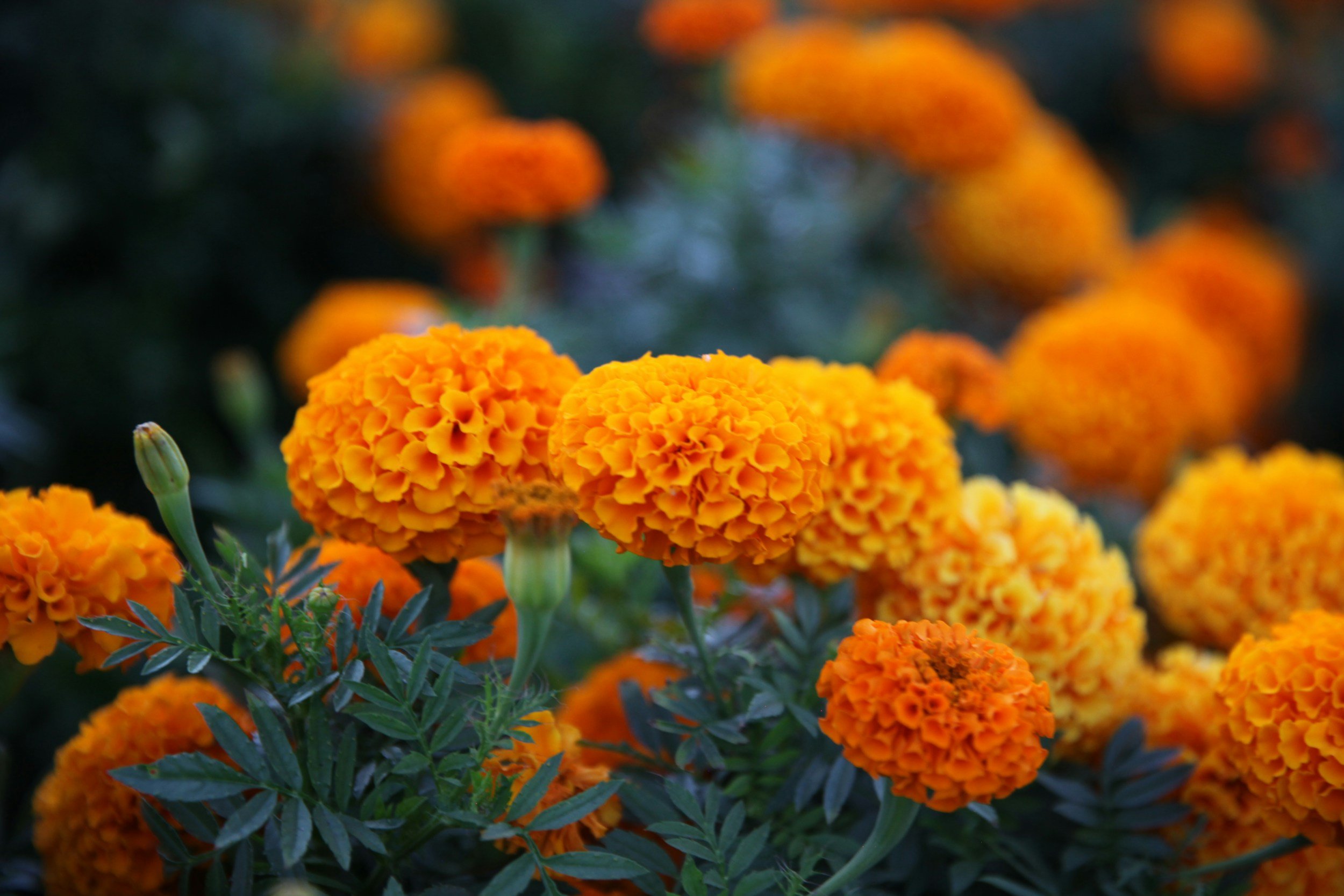
How to Grow Marigolds
Marigolds love sunshine and warm weather.
They're one of the easiest flowers to grow from seed and don't ask for much once they're established.
Planting
Plant after all danger of frost has passed.
Sow seeds directly into the garden or transplant seedlings.
Space plants about 9 to 12 inches apart.
Grow them in full sun.
Water regularly until plants become established.
Before long, many varieties will become large, bushy plants covered in hundreds of blooms.
Pinching Marigolds
Just like many cut flowers, marigolds benefit from pinching.
When plants are about 6 to 8 inches tall, remove the center growing stem.
This encourages the plant to branch, giving you:
More flowers
Longer stems
Bushier plants
A much bigger harvest
One quick pinch early in the season pays off for months.
Colors and Flower Types
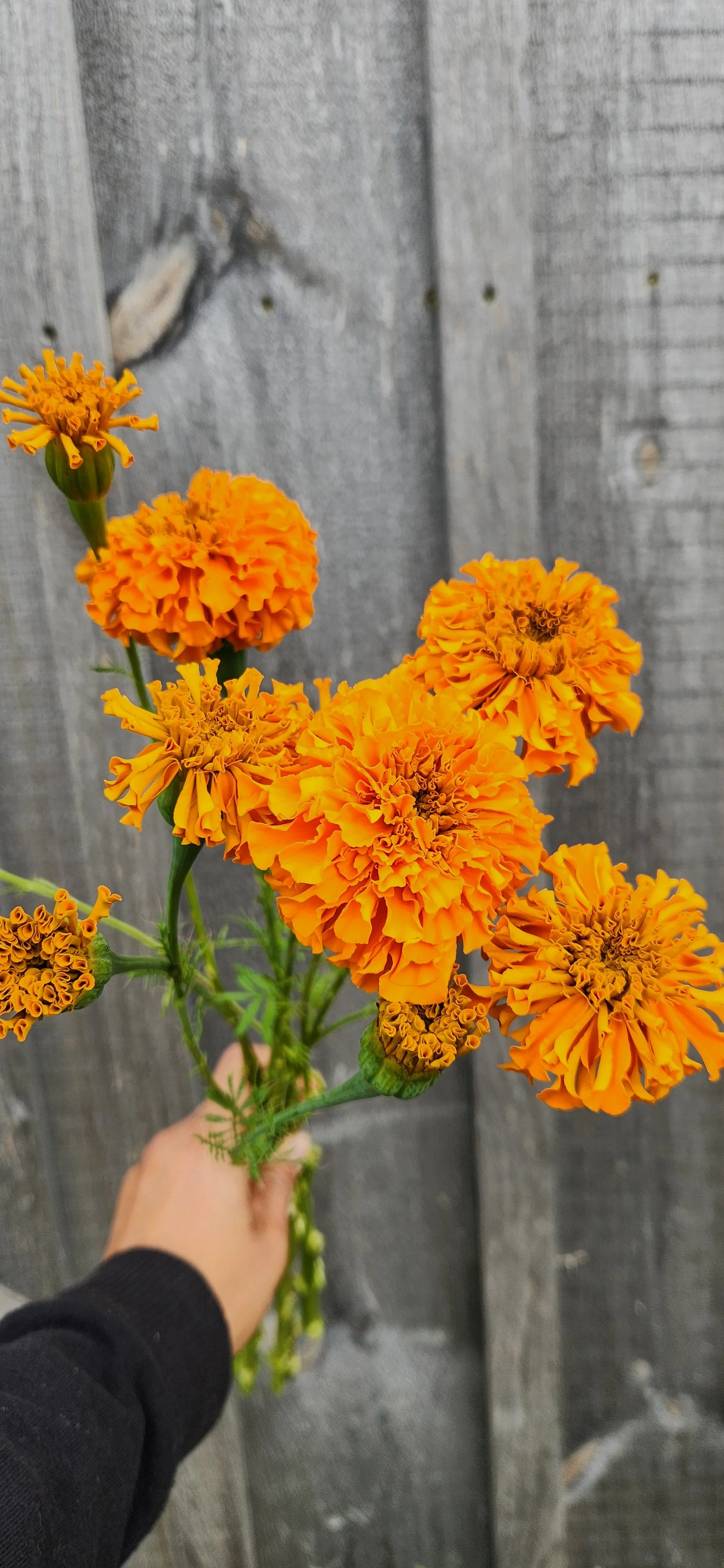
If you think marigolds only come in orange, you're missing out.
Today you can find beautiful varieties in:
White
Cream
Lime green
Soft yellow
Golden yellow
Orange
Deep orange
Mahogany
Red and gold bi-colors
Some have classic daisy-like blooms, while others produce huge, fluffy double flowers that almost look like carnations or giant pom-poms.
There really is a marigold for every bouquet style.
When to Harvest Marigolds
Harvest marigolds when the flowers are fully open but still fresh and firm.
Avoid cutting blooms that are beginning to fade or develop seed heads.
Regular harvesting encourages the plants to keep producing new flowers throughout the season.
Conditioning Marigolds
Conditioning simply means allowing flowers to fully hydrate after harvest before arranging them.
After cutting:
Strip all of the foliage from the stems.
Place them immediately into clean water.
Let them rest in a cool location for several hours before arranging.
Here's a fun little tip.
Many people say they don't like the smell of marigolds.
Most of that distinctive scent actually comes from the foliage, not the flowers.
Once you strip the leaves from the stems, you'll remove most of the strong marigold smell while keeping all the beautiful blooms.
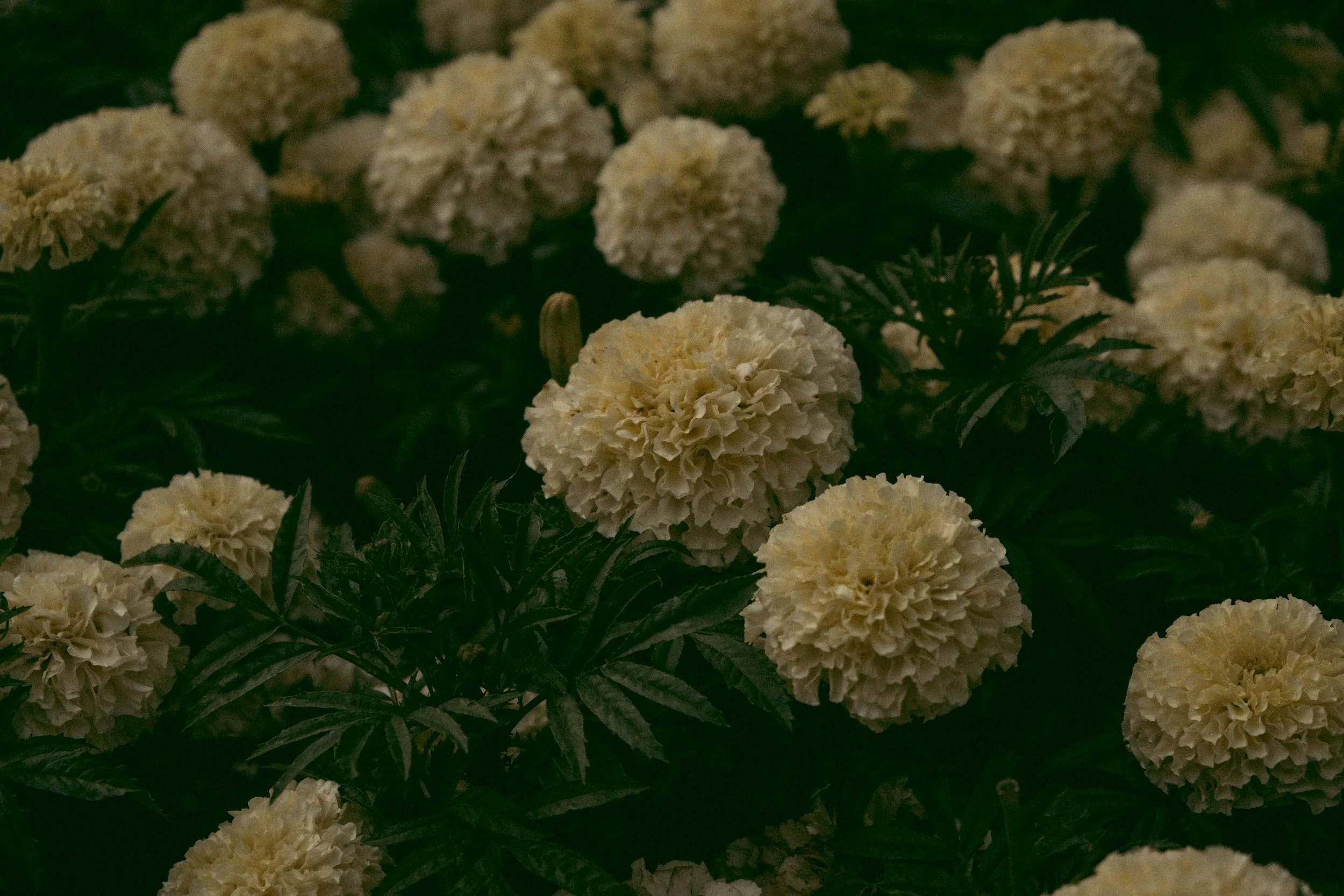
Keeping Japanese Beetles Away
If you garden where Japanese beetles are common, you'll probably notice they love marigolds just as much as we do.
During peak beetle season, it's helpful to stay on top of deadheading and harvesting blooms before they become magnets for hungry beetles.
Another option is to plant a little later in the season if Japanese beetles are a major problem in your area.
Either way, don't let the beetles scare you away from growing marigolds. They're still one of the most rewarding flowers in the garden.
Saving Seed
Marigolds are one of the easiest flowers to save seed from.
Simply allow a few blooms to dry completely on the plant, pull apart the flower head, and you'll find dozens of long, slender seeds waiting inside.
They're beginner-friendly, easy to collect, and a great flower for gardeners wanting to save seed from year to year.
Why I Love Marigolds
Marigolds are proof that easy doesn't have to mean boring.
They're colorful, dependable, incredibly productive, and one of the best flowers you can grow if you want armloads of bouquets all summer long.
Give them sunshine, harvest often, and they'll reward you with hundreds of cheerful blooms until frost.
Ready to Grow a More Beautiful Cutting Garden?
If you're dreaming of armloads of flowers but aren't quite sure what to grow, where to plant them, or how to put it all together, I'd love to help.
Download my free guide:
The Ultimate Guide to Planning, Creating, and Designing Your Cut Flower Garden
Inside you'll discover:
My favorite cut flowers for beginners
How to plan a cutting garden that blooms all season
Tips for designing beautiful bouquets from your own backyard
Common mistakes that are easy to avoid
As a bonus, you'll also receive my weekly gardening emails full of practical growing tips, seasonal reminders, behind-the-scenes updates from Long River Family Farm, and first access to plant sales, workshops, and new resources.
Happy gardening!
I'm so glad you stopped by. I hope this guide helps you grow a garden that's filled with flowers you can't wait to cut and bring inside.
Your flower farming friend,
Michelle
Long River Family Farm